Introduction
There is something exciting about planning a new homeschool year.
Fresh curriculum. New notebooks. New goals. A completely clean calendar.
There is also that moment when you realize just how many decisions need to be made before the first day of school.
When are we starting? What curriculum are we using? How many days per week are we homeschooling? Do I need to keep attendance? Did I ever order that science book?
Over the years, I have learned that homeschool planning is much easier when I work through the same basic checklist each year.
Whether you are planning your first homeschool year or simply trying to make this year more organized than the last one, here is a homeschool planning checklist to get you started.
Check Your State's Homeschool Requirements
Before planning curriculum or buying supplies, make sure you understand the homeschool laws and requirements where you live.
Requirements vary by state and may include attendance records, required subjects, standardized testing, annual assessments, record keeping, or minimum instructional requirements.
Always check your state's current requirements through an official state source or trusted homeschool organization.
Build Your Homeschool Calendar
Choose your school year start and end dates.
Then add holidays, vacations, fall break, winter break, spring break, birthdays, co-op dates, and other family commitments.
Next, decide what your normal week will look like.
Will you homeschool five days per week? Four? Will Fridays be reserved for field trips or co-op? Will you homeschool year-round?
There is no universally correct homeschool calendar. Choose the rhythm that fits your family.
Choose Subjects and Homeschool Curriculum
Create a subject list for each child.
Depending on their age and your state's requirements, this might include math, reading, language arts, writing, spelling, science, history, foreign language, art, music, physical education, and electives.
Then select curriculum for each subject.
Consider your child's learning style, your teaching preferences, how much independent work you want, your budget, and whether siblings can share materials.
Remember, the most popular homeschool curriculum is not automatically the best curriculum for your child.
Schedule Your Curriculum
Once you have selected curriculum, look at how many lessons need to be completed.
If your curriculum contains 120 lessons and you have 170 available school days, you have plenty of flexibility.
If it contains 180 lessons and you have 150 available days, you want to know that before the school year starts.
Decide which days each subject will happen, then spread those lessons across your school year.
This is something we built HomeschoolOS to make much easier. You can set your school year dates, add your students, assign curriculum, and organize your schedule in one place.
Set Up Goals, Supplies, and Record Keeping
Before your first day, think about what you would love each child to accomplish this year.
Maybe it is becoming a confident reader, mastering multiplication facts, writing independently, completing Algebra I, or simply taking more responsibility for schoolwork.
Then gather your supplies and establish a system for homeschool records.
Depending on your needs, you may want to track attendance, grades, completed assignments, curriculum, reading lists, test scores, work samples, instructional days, or high school credits.
Setting this up at the beginning of the year is much easier than trying to recreate everything months later.
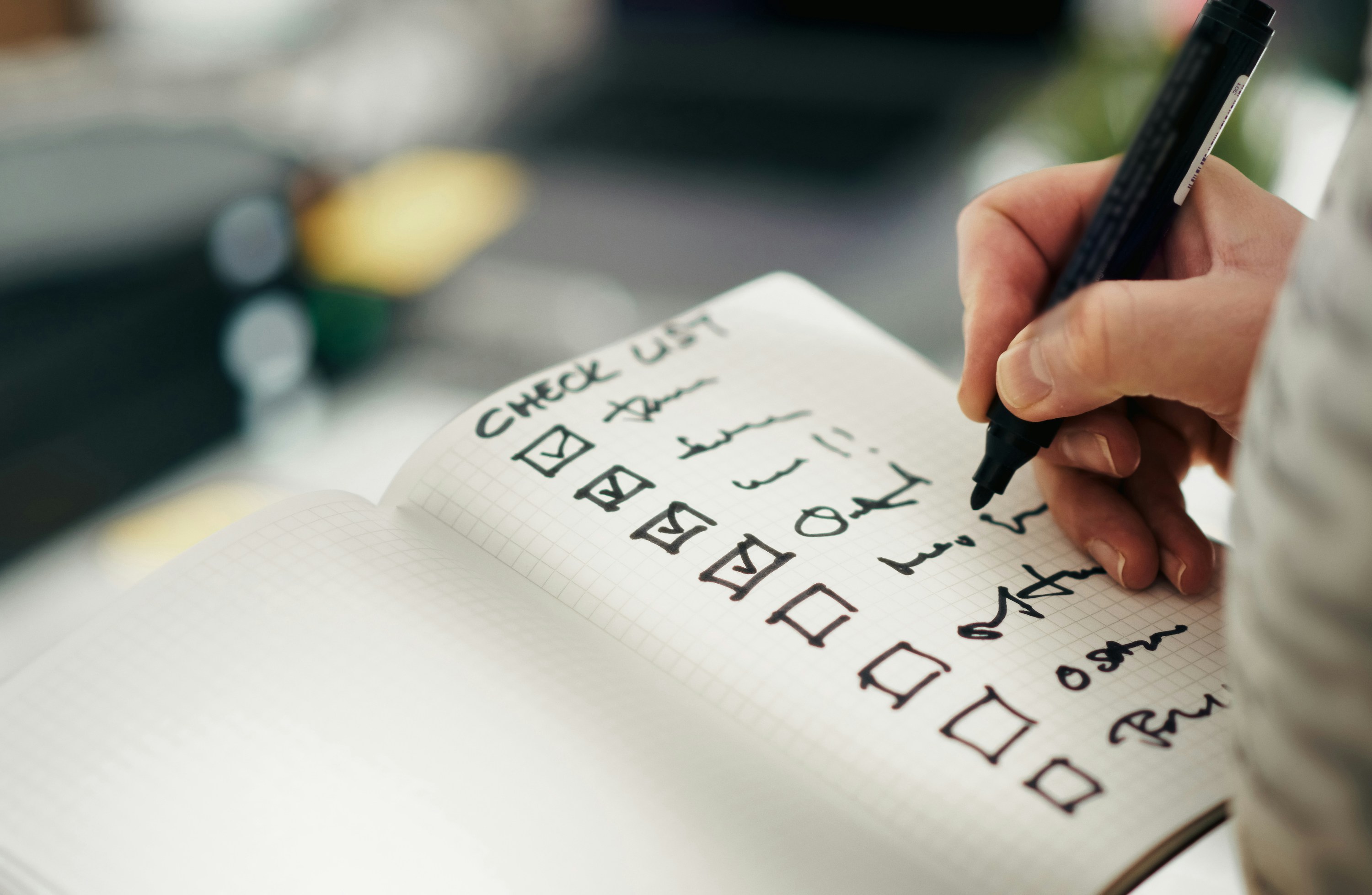
Your Homeschool Planning Checklist
Before your first day, make sure you have:
✓ Reviewed your state's homeschool requirements
✓ Selected school year start and end dates
✓ Added holidays and breaks
✓ Created a weekly schedule
✓ Listed subjects for each student
✓ Selected curriculum
✓ Reviewed the number of lessons
✓ Scheduled curriculum across the year
✓ Set goals for each child
✓ Purchased necessary supplies
✓ Created a record-keeping system
✓ Established a basic daily routine
✓ Added catch-up days and flexibility
Then comes the most important step.
Start.
You will learn more about what your family needs during the first few weeks than you ever could while planning.
Your homeschool does not need to look perfect on the first day. It just needs to work for your family.